The HIPRA LAND LAB project promotes a new landscape management model at the HIPRA Campus in Aiguaviva

Corporate
management of the company’s green spaces

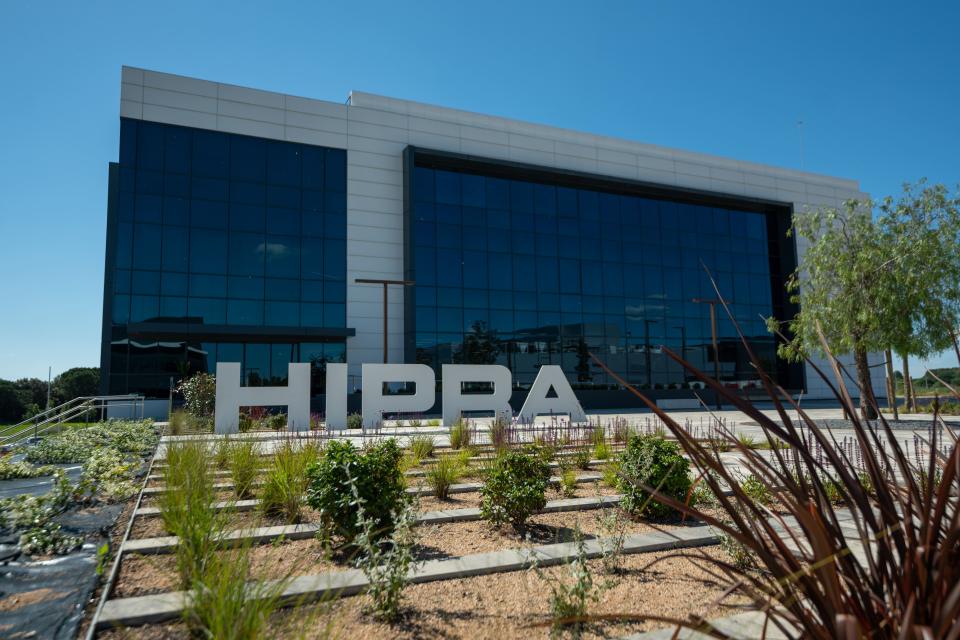
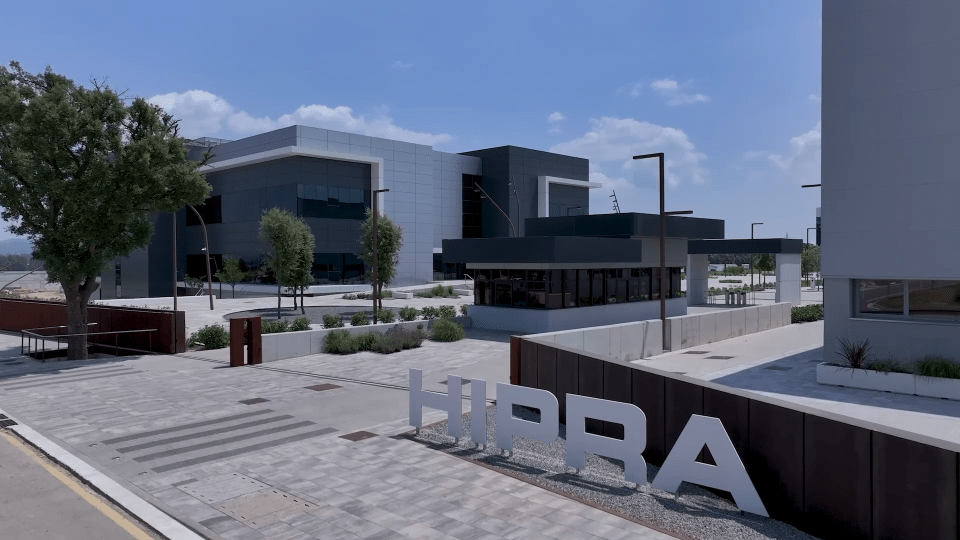
HIPRA developed the HIPRA LAND LAB pilot project between 2024 and 2025 at the HIPRA Campus in Aiguaviva (Girona). This initiative integrates sustainability, science and respect for the natural environment into the management of the company’s green spaces. Inspired by Nordic experience, the project aimed to test new approaches to green space management to promote the ecological, aesthetic and social values of the landscape within a corporate environment. 

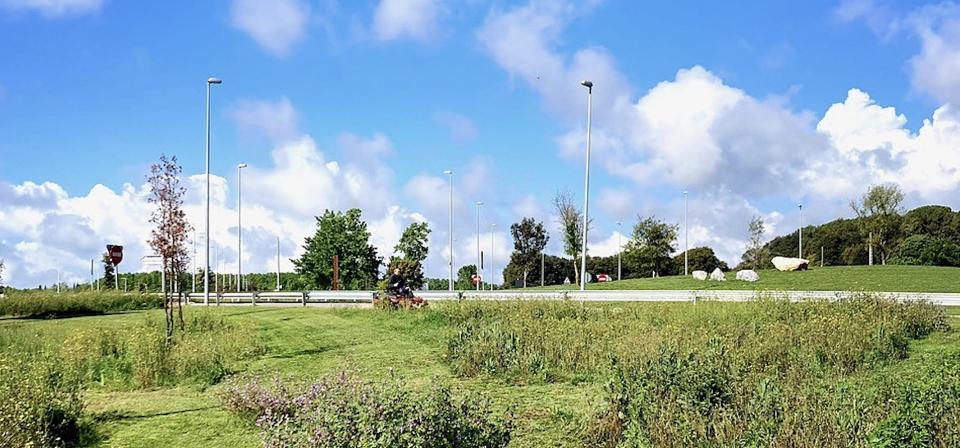
Based on a landscape analysis carried out at different scales, which considered elements such as vegetation, soil, climate and resources, a new way of managing the green spaces surrounding the Aiguaviva complex was defined. This approach went beyond traditional periodic and uniform mowing, replacing it with a differentiated management model that works with varying heights and geometries of herbaceous and shrub vegetation to achieve a more vibrant, resilient and well-integrated landscape.
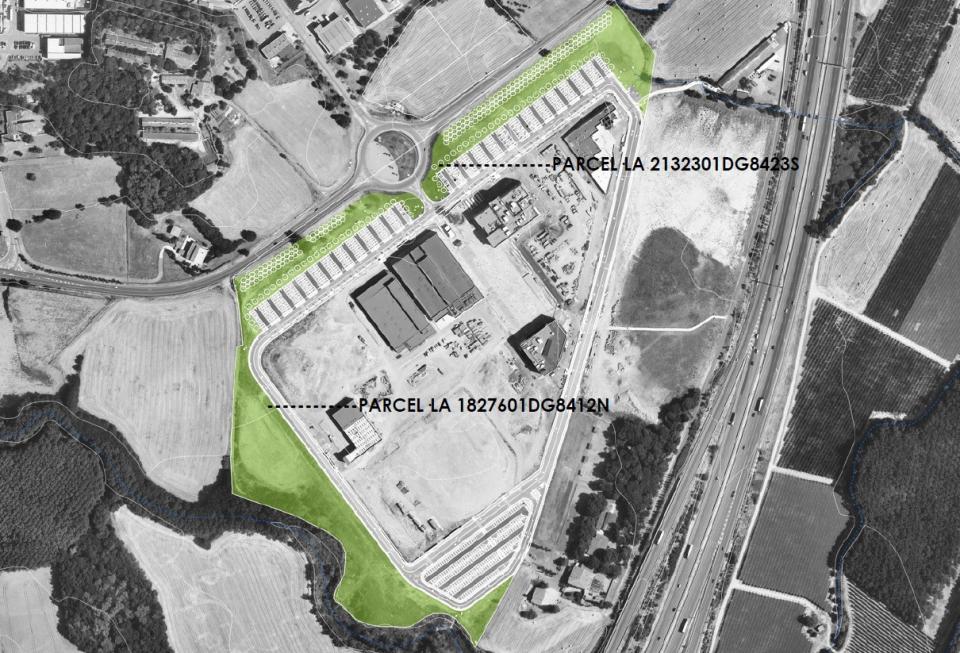
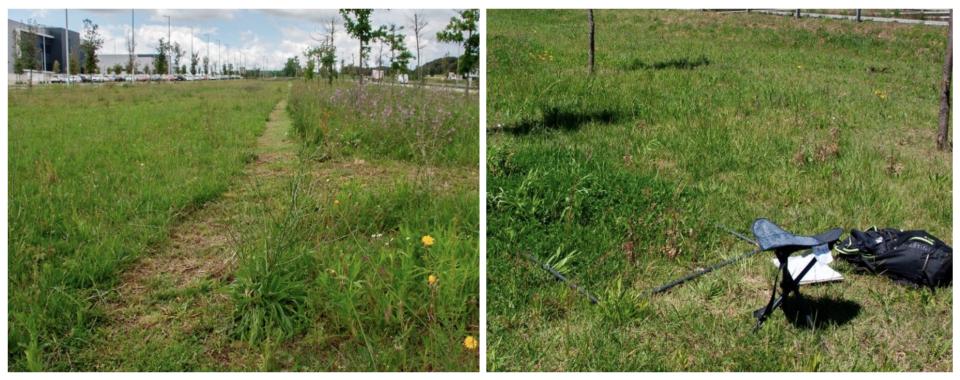
landscape management model at the HIPRA Campus in Aiguaviva

This new design is not based solely on aesthetic criteria but primarily aims to enhance biodiversity and foster ecological relationships. The principle is simple: standardized mowing limits biodiversity, as it prevents herbaceous species from thriving, flowering and attracting pollinating insects. In contrast, combining areas with different mowing intensities increases the presence of flowers, pollinators and other species, while also reducing water evaporation from the soil, an important factor in the context of drought and climate change. 

To validate this hypothesis, several field studies were carried out between 2024 and 2025, defining biodiversity indicators such as the number of flowering plant species and pollinating insects per square metre. The results confirm the effectiveness of the model: areas with low mowing frequency showed approximately four times more pollinating insects than intensively mown areas. In the latest survey, 25 pollinator taxa were identified, belonging to four different insect orders, with 69% of the presence concentrated in low-mowing areas, highlighting greater ecological richness and quality.

landscape management by hipra

In parallel, the project also assessed the carbon sink potential of the Campus tree cover. The results show that the hundreds of existing trees, including holm oaks, oaks and cork oaks, currently absorb around 12.6 tonnes of CO₂ per year, a figure that has increased thanks to replanting carried out during the project period. 

After completing the pilot phase in May 2025, the HIPRA LAND LAB project entered a continuity phase, with the aim of maintaining and expanding the landscape management criteria tested. In this context, during 2026 these learnings are being applied to new areas of the Aiguaviva Campus, such as the plot located to the west of the site, along the Can Garrofa stream. This area has its own natural dynamics, where landscape management is based on the natural evolution of vegetation and the preservation of Mediterranean grassland and riparian forest habitats. 

Through this initiative, HIPRA highlights a project that demonstrates, with data, that it is possible to act in an innovative and environmentally respectful way to enhance biodiversity, strengthen climate resilience and rethink new forms of landscape aesthetics beyond standardized green space treatments. This project represents a further step in HIPRA’s commitment to sustainability and to a more environmentally conscious management of its surroundings.